


Top 5 Ontario Destinations for 2026
📸 Top 5 Ontario Destinations for 2026
Ontario stands out as one of Canada’s most diverse provinces, offering an incredible mix of natural wonders, vibrant cities, and relaxing countryside escapes. Whether you crave the rush of Niagara Falls, the cosmopolitan energy of Toronto, or the peaceful serenity of Prince Edward County, Ontario delivers experiences for every type of traveler.
With tourism booming across Canada and exciting new attractions emerging, 2026 is the perfect year to plan your Ontario getaway. This guide explores the top 5 Ontario destinations for 2026, complete with seasonal travel tips, insider gems, food highlights, and suggested itineraries to help you make the most of your trip.
1. Niagara Falls – A Timeless Icon
Few destinations are as legendary as Niagara Falls. The roar of the cascading Horseshoe Falls, paired with mist rising into the sky, makes this a bucket-list stop for travelers worldwide.
- Take a Niagara City Cruise boat tour to experience the Falls up close.
- Explore the Journey Behind the Falls tunnels for a thrilling view from below.
- Stroll along Clifton Hill for entertainment, arcades, and lively nightlife.
- Visit nearby Niagara-on-the-Lake for wineries, theatre, and historic charm.
- Spring: See the gardens bloom in Queen Victoria Park.
- Summer: Expect crowds—plan early morning or evening visits.
- Fall: Niagara’s wine harvest season is a must for wine lovers.
- Winter: Don’t miss the Winter Festival of Lights.
Google Map:
2. Toronto – Canada’s Global City

As Ontario’s capital, Toronto offers world-class culture, dining, and entertainment. Known for its diversity, the city invites visitors to explore its neighborhoods, arts, and food from around the globe.
- Climb the CN Tower or try the EdgeWalk.
- Explore the Royal Ontario Museum and Art Gallery of Ontario.
- Wander Kensington Market and Queen Street West for food and shopping.
- Catch a show at the Toronto International Film Festival or Mirvish Theatre.
- Toronto’s culinary scene shines in 2026 with Michelin-recognized restaurants like Alo.
- Sample authentic global cuisines in Little Italy, Greektown, or Chinatown.
- Visit St. Lawrence Market for artisanal foods and local delicacies.
- Therme Canada at Ontario Place: A $350-million all-season wellness resort redefining Toronto’s waterfront.
Google Map:
3. Ottawa – Canada’s Capital

Ottawa blends history, culture, and scenic waterways. As the nation’s capital, it offers museums, festivals, and beautiful government architecture.
- Visit Parliament Hill and watch the Changing of the Guard.
- Explore the National Gallery of Canada and Canadian Museum of History.
- Walk or cycle along the Rideau Canal, a UNESCO World Heritage Site.
- Visit ByWard Market for food, local art, and crafts.
- Spring: Tulip Festival blooms throughout the city.
- Summer: Outdoor concerts and festivals along the canal.
- Fall: Hiking and bike trails with fall foliage.
- Winter: Ice skating on the Rideau Canal, the world’s largest naturally frozen skating rink.
- Check out the Dows Lake Pavilion for canoeing, paddleboarding, and seasonal festivals.
Google Map:
4. Kingston – The Limestone City

Kingston combines history, waterfront beauty, and a growing culinary scene. It’s often called the “Limestone City” for its historic buildings.
- Tour Fort Henry, a UNESCO World Heritage Site.
- Cruise the 1000 Islands on scenic boat tours.
- Explore Queen’s University campus and local boutiques.
- Visit Kingston Penitentiary for historic guided tours.
- Kingston has a booming restaurant and café scene.
- Try waterfront dining with views of Lake Ontario.
- Annual food and wine festivals are expanding in 2026.
- Spring: Historic walking tours and early waterfront strolls.
- Summer: Perfect for island cruises and festivals.
- Fall: Wine and harvest festivals at local vineyards.
- Winter: Cozy cafés and historic museum tours.
Google Map:
5. Wasaga Beach – Ontario’s Longest Freshwater Beach

Wasaga Beach boasts 14 kilometers of soft sand along Nottawasaga Bay, making it the world’s longest freshwater beach. It’s perfect for sunbathing, swimming, and watersports.
- Relax along the sandy shoreline and enjoy the warm waters of Lake Huron.
- Try paddleboarding, kayaking, or jet-skiing.
- Walk or cycle the Wasaga Beach Boardwalk.
- Explore nearby trails at the Wasaga Beach Provincial Park and Blue Mountain area.
- Enjoy local cafés, ice cream stands, and beachside pubs.
- Waterfront dining with sunset views is a must in summer.
- Summer: Peak beach season, ideal for swimming and water sports.
- Spring/Fall: Quiet walks and scenic photography.
- Winter: Snowshoeing and frozen lake views, off-peak but peaceful.
Google Map:
Final Thoughts
From Niagara Falls’ natural power to Ottawa and Kingston’s historic charm and Prince Edward County’s relaxing beaches, Ontario has something for every traveler. These top 5 Ontario destinations for 2026 combine urban culture, history, culinary experiences, and scenic escapes.
Adding seasonal travel tips, insider gems, suggested itineraries, and interactive maps makes your planning easy and engaging.
Ready to explore Ontario in 2026? Start planning today and discover why this province continues to be one of Canada’s most unforgettable destinations.

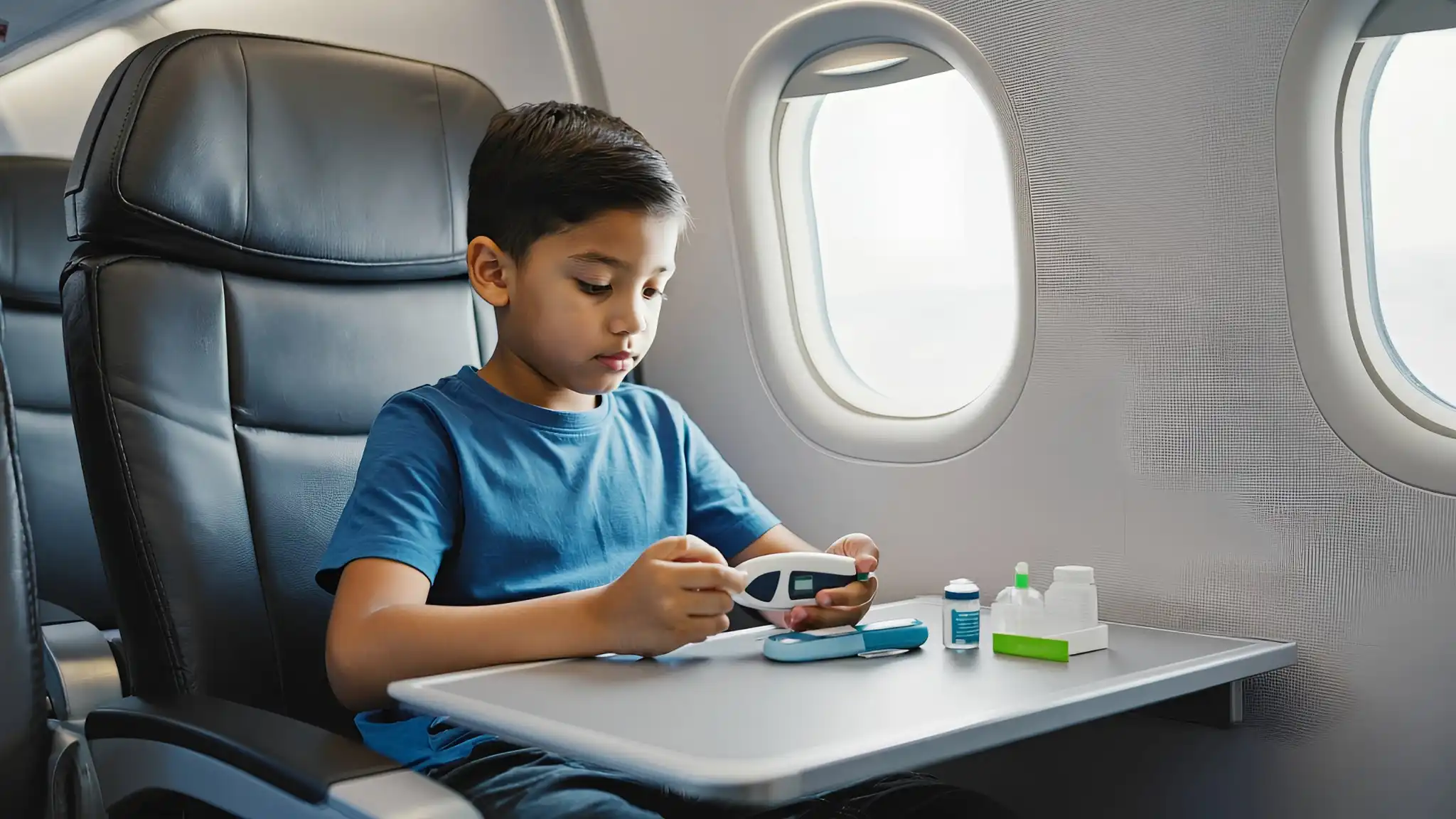
How Can Diabetics Manage Blood Sugar on Long-Haul Flights?
💉 How Can Diabetics Manage Blood Sugar on Long-Haul Flights?
Long-haul flights can be challenging for people with diabetes. Extended sitting, disrupted sleep, and changes in meal timing can all affect blood sugar control. With the right preparation and strategies, you can enjoy your journey while keeping your health on track. In this guide, we’ll explore how to manage diabetes effectively when flying across time zones—along with real-life examples.
Pre-Flight To-Do List
Before heading to the airport, here’s a simple checklist to help you stay prepared:
- Consult your doctor about adjusting insulin or medication schedules
- Get a doctor’s note for carrying supplies through airport security
- Pack twice the amount of insulin, test strips, and medication you’ll need
- Store supplies in carry-on luggage, not checked bags
- Bring healthy snacks (nuts, protein bars, cheese, fruit)
- Charge and pack devices like CGM or glucose meter
- Download travel apps to track time zones and medications
- Check travel insurance coverage for medical support abroad
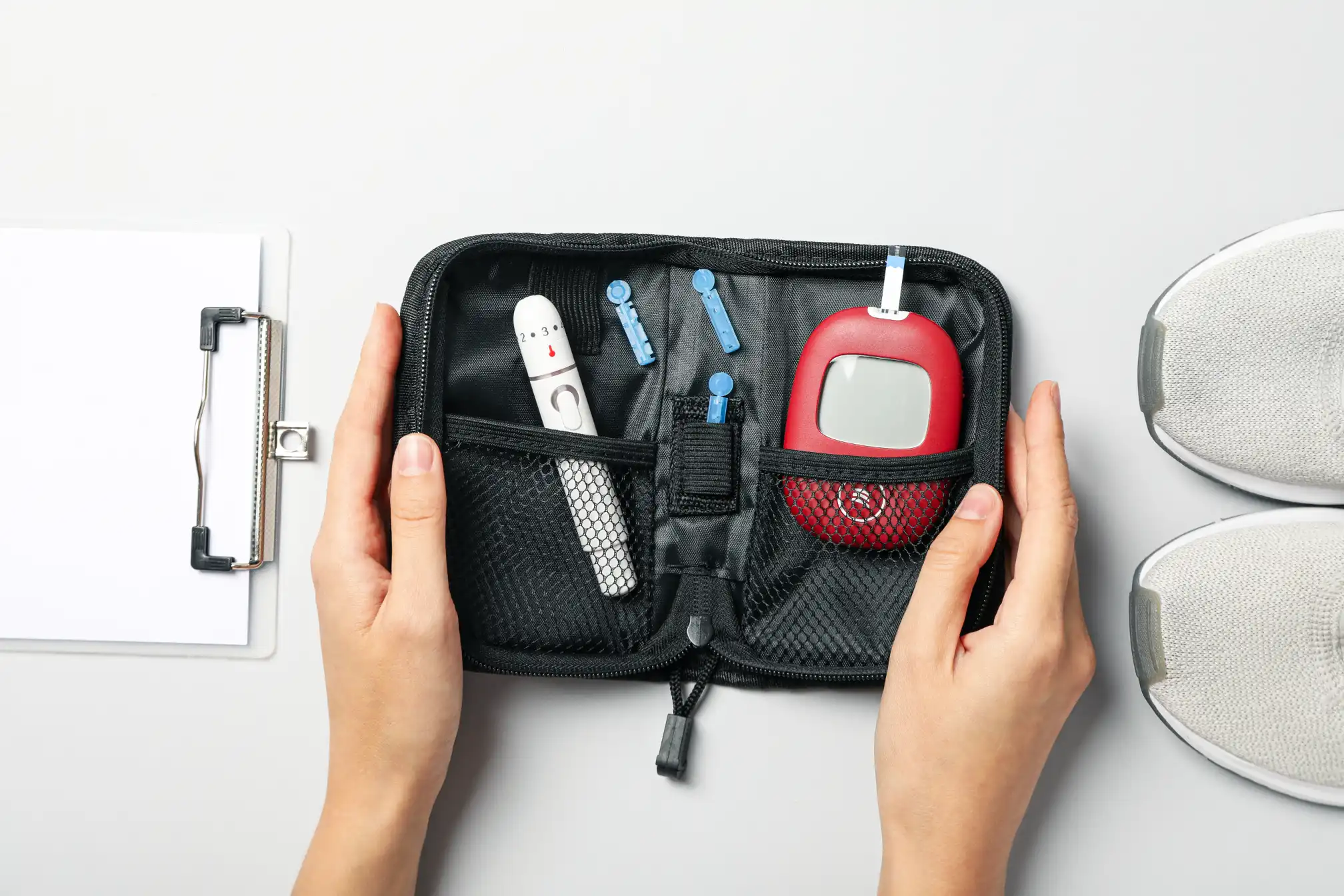
Pre-Flight Preparation
- Pack essential supplies: insulin, glucose meter, testing strips, snacks, and a doctor’s note.
- Keep medication in your carry-on to avoid temperature changes in checked luggage.
- Adjust insulin and medication schedules in consultation with your doctor before flying.
- Carry extra supplies in case of delays.
Case Example:
Maria, a type 1 diabetic from Toronto, was traveling to Europe for two weeks. She packed double the supplies she thought she needed, including insulin pens, test strips, and snacks. When her connecting flight was unexpectedly canceled, she had enough medication on hand to stay safe until she reached her destination.
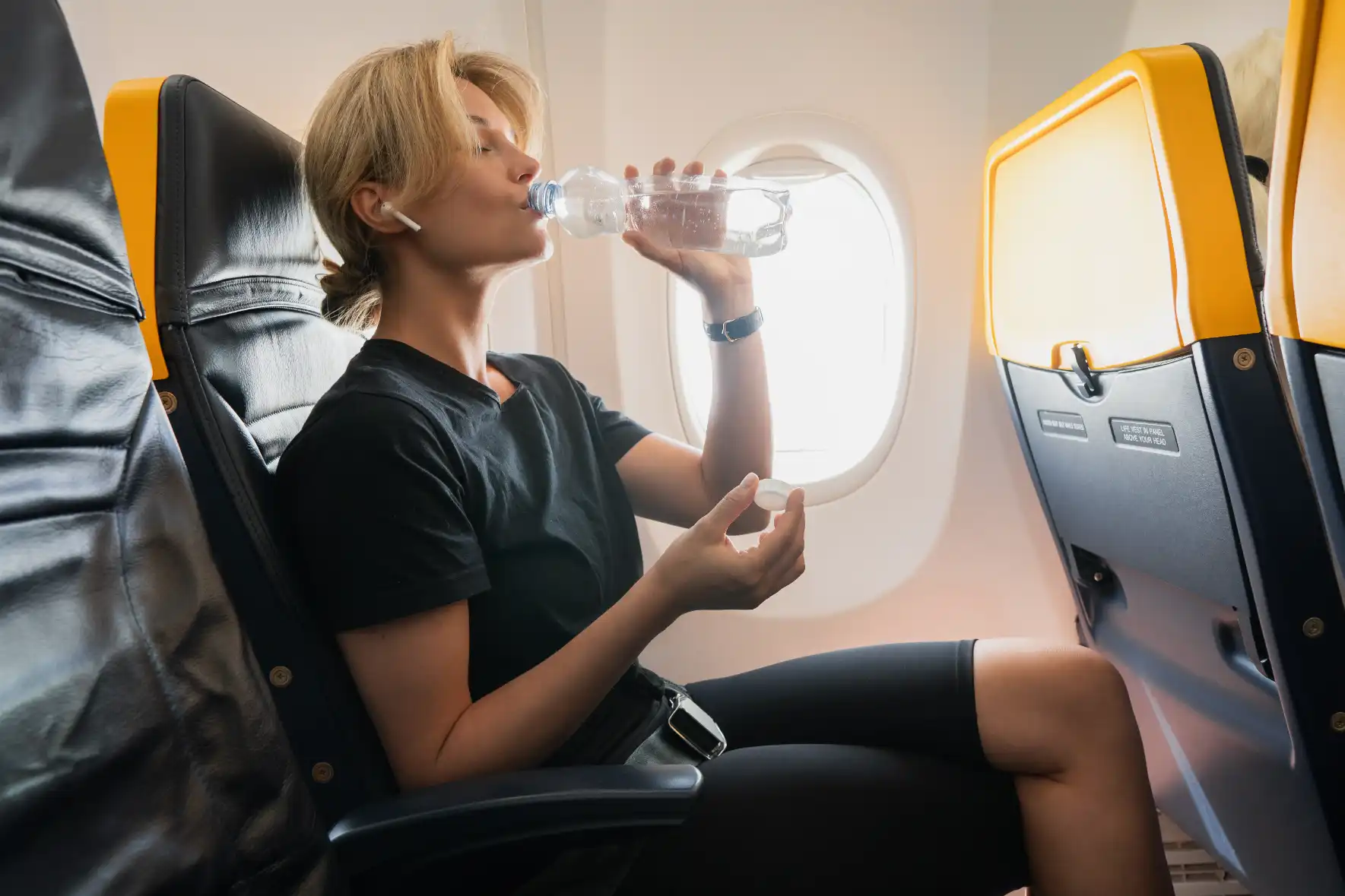
Eating and Drinking During the Flight
- Choose balanced meals with controlled carbs when offered by the airline.
- Bring your own diabetic-friendly snacks like nuts, cheese, or protein bars.
- Stay hydrated with water instead of sugary drinks or alcohol.
- Avoid overeating to reduce spikes and crashes.
Case Example:
James, living with type 2 diabetes, flew from New York to Tokyo (a 14-hour flight). Instead of relying on airline meals, he brought pre-portioned nuts and protein bars. This helped him maintain stable glucose levels while others around him complained about bloating and fatigue from heavy in-flight food.

Blood Sugar Monitoring in the Air
- Test blood sugar regularly, especially before meals and rest periods.
- Use a Continuous Glucose Monitor (CGM) if available.
- Note how different meal times and inactivity affect your readings.
Case Example:
Lina used a CGM during her long-haul trip from London to Singapore. She checked her readings every few hours and noticed her glucose levels tended to rise after long periods of sitting. By catching these spikes early, she was able to take a short walk and keep her levels under control.
Staying Active on Long Flights
- Take short walks every 1–2 hours when possible.
- Do simple seated exercises like ankle circles or leg lifts.
- Movement improves circulation and helps regulate blood sugar.
Case Example:
David, a frequent business traveler, makes it a routine to walk to the restroom every two hours—even when he doesn’t need it. On a flight to Sydney, he also did seated stretches. His blood sugar remained much more stable compared to trips where he sat still the entire time.
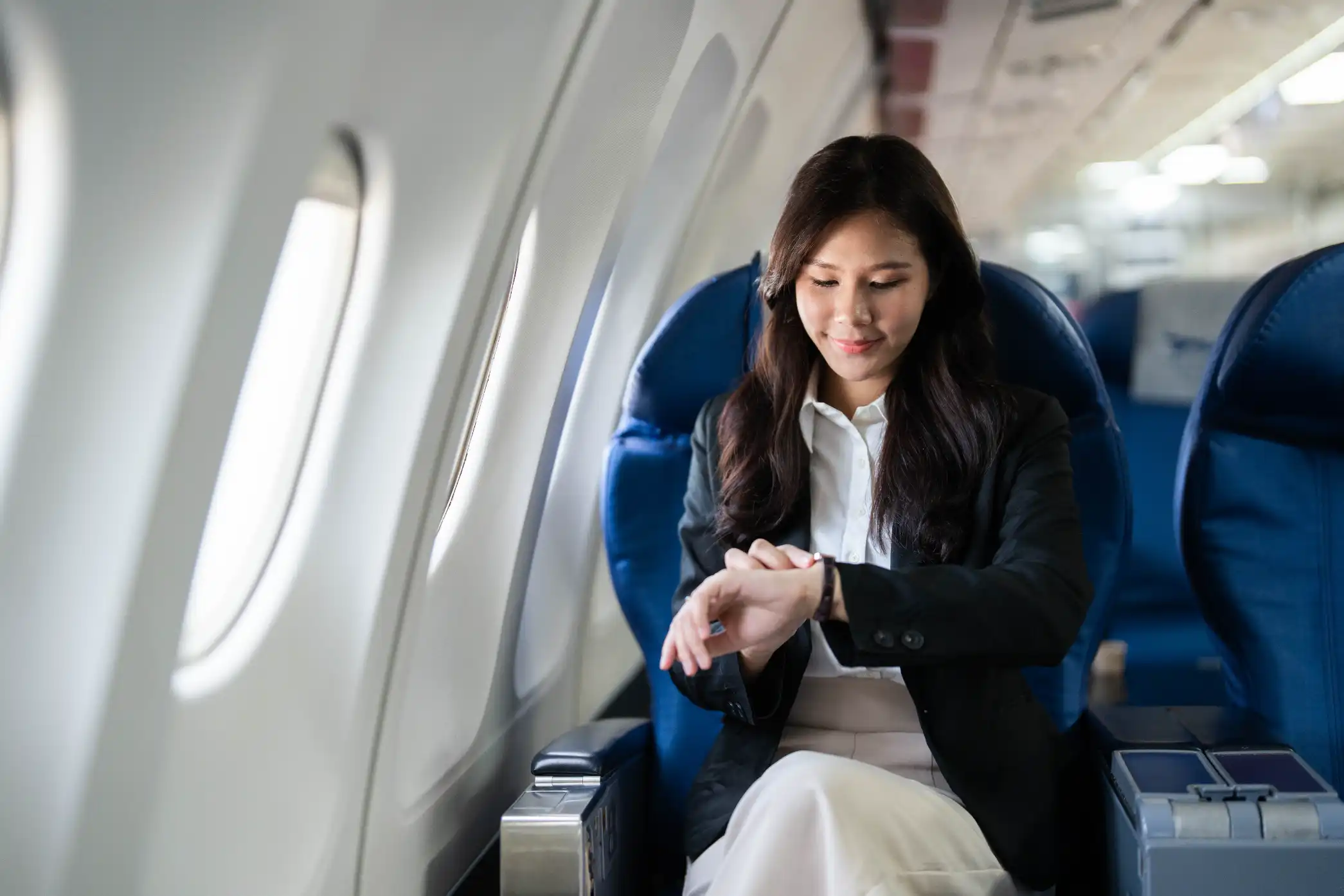
Adjusting to New Time Zones
- Gradually adapt your insulin or medication schedule.
- Track time differences in a travel diary or app.
- Discuss adjustments with your healthcare provider before your trip.
Case Example:
Priya was worried about her 10-hour time difference flying from India to the US. Before her trip, her doctor suggested gradually adjusting her insulin injection times by one hour per day. By the time she landed, her schedule was already in sync, preventing dangerous fluctuations.
Final Thoughts
Managing diabetes on long-haul flights doesn’t have to be stressful. With smart preparation, careful meal planning, and regular monitoring, you can travel with confidence and comfort. Always consult your doctor before making adjustments to your medication or insulin schedule, and enjoy your journey knowing you’re in control.

Top 5 Luggage Brands You Can Trust
🧳 Top 5 Luggage Brands You Can Trust
Choosing the right luggage can make your travels smoother and less stressful. From durability and style to price and warranty, each brand offers unique strengths. In this guide, we’ll explore the top 5 luggage brands, their pros and cons, and a quick comparison chart to help you pick the best option for your needs.

1. Samsonite
Samsonite is one of the most recognized luggage brands worldwide, known for its reliable and versatile designs. From budget-friendly suitcases to premium collections, Samsonite offers something for every traveler, making it a go-to choice for durability and accessibility.
Pros:
- Wide range of options for all budgets
- Durable materials and long-lasting quality
- Easy replacement parts and global support
- Stylish designs for business and casual travel
Cons
- Mid-range models can feel heavy
- Premium models are relatively expensive
2. Away
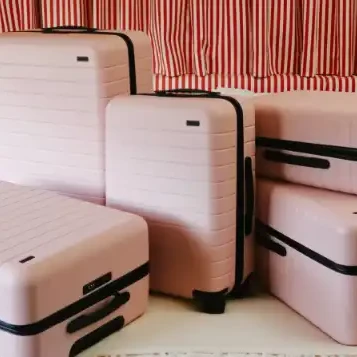
Away has quickly risen to fame with its modern, minimalist luggage designed for today’s traveler. Popular for its sleek look and built-in charging features, Away has become a favorite among young professionals and frequent flyers who value both style and function.
Pros:
- Sleek, minimalist design
- Built-in USB charging
- Durable polycarbonate shell
- Excellent customer service and lifetime warranty
Cons
- Limited size and style selection
- Higher price point for casual travelers

3. Tumi
Tumi is a luxury brand that blends high-end craftsmanship with practical features for business and frequent international travelers. Its reputation is built on unmatched durability, premium materials, and stylish designs, making it a symbol of prestige in the travel world.
Pros:
- Premium luxury brand with professional appeal
- Extremely durable ballistic nylon and aluminum options
- Customization and monogram services available
- Strong warranty and repair service
Cons
- Very expensive
- Heavier than lightweight alternatives

4. Travelpro
Originally developed for airline professionals, Travelpro is renowned for practicality and durability. Known as the choice of pilots and flight crews, it offers lightweight, functional luggage that’s built to withstand the demands of constant travel.
Pros:
- Trusted by airline professionals
- Lightweight yet durable
- Great for frequent travelers
- Excellent telescoping handles and smooth wheels
Cons
- Designs are functional rather than stylish
- Limited premium options

5. Rimowa
Founded in Germany, Rimowa is an iconic brand best known for its distinctive aluminum suitcases with signature grooves. A favorite among style-conscious travelers, Rimowa combines durability with luxury, making it both a functional and fashionable choice.
Pros:
- Iconic aluminum design with timeless appeal
- Extremely durable and long-lasting
- Lightweight yet strong materials
- Prestige brand with global recognition
Cons
- Very high price point
- Limited affordability for casual travelers
Quick Comparison Chart
| Brand | Best For | Durability | Price Range | Style | Warranty | Special Features |
|---|---|---|---|---|---|---|
| Samsonite | All-around travelers | ★★★★☆ | $$–$$$ | Modern | 10 years | Wide selection, global support |
| Away | Modern casual travelers | ★★★★☆ | $$$ | Sleek | Lifetime | USB charging, minimalist look |
| Tumi | Luxury business travelers | ★★★★★ | $$$$–$$$$$ | Premium | 5 years | Customization, luxury build |
| Travelpro | Frequent flyers/pilots | ★★★★☆ | $$–$$$ | Simple | Limited | Airline-grade durability |
| Rimowa | Style-focused travelers | ★★★★★ | $$$$–$$$$$ | Iconic | 5 years | Aluminum grooves, premium build |
Final Thoughts
Whether you’re a frequent flyer, a stylish traveler, or someone who just wants reliable luggage, there’s a brand for everyone. Samsonite and Travelpro are dependable all-rounders, Away is perfect for modern minimalist travelers, Tumi caters to luxury seekers, and Rimowa delivers timeless design and durability for those who want both function and prestige. With this guide, you can choose luggage that matches your travel needs and enjoy worry-free journeys.

20 Travel Hacks to Survive Long Flights
💺 20 Travel Hacks to Survive Long Flights
Welcome to the LuggyShare Travel Blog! Long haul flights can be exhausting, stressful, and downright uncomfortable if you’re not prepared. Whether you’re flying for business or leisure, knowing the right travel hacks can transform your journey. In this guide, we’ll share 20 practical travel hacks for long haul flights that save time, increase comfort, and make your trip more enjoyable.
1. Choose Your Seat Wisely
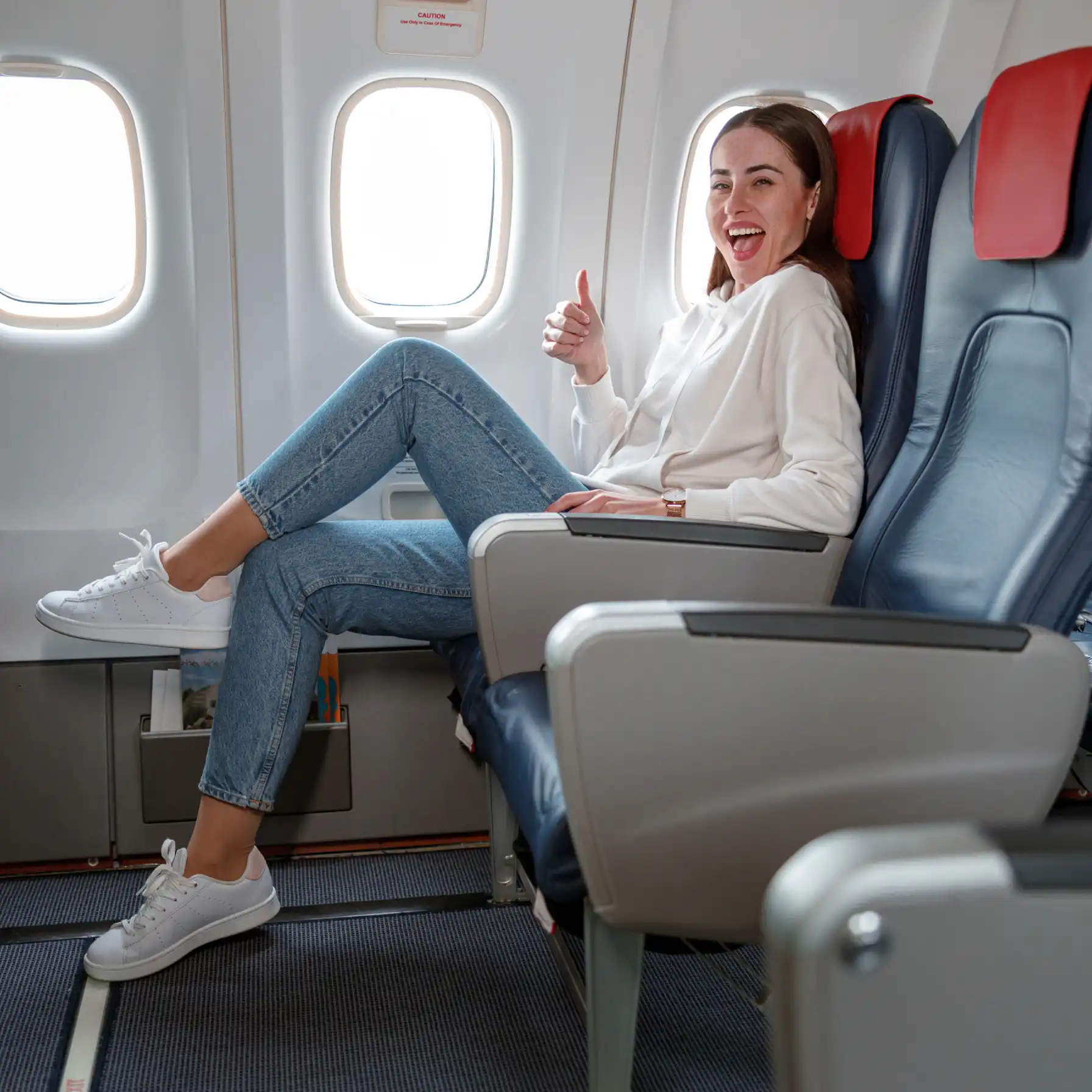
Picking the right seat can make a huge difference. Window seats are great for leaning against the wall and avoiding disturbances, while aisle seats offer freedom to stretch and move around.
Tip: Check airline seat maps and apps for extra legroom or quieter areas away from bathrooms and galleys.

2. Wear Comfortable Layers
Airplane temperatures can fluctuate, so dress in layers. Soft, breathable fabrics and a light jacket or hoodie will keep you cozy without feeling restricted.
Tip: Bring a lightweight scarf or shawl that doubles as a blanket.

3. Bring a Neck Pillow and Blanket
A memory foam neck pillow supports your head during sleep, while a lightweight blanket or shawl keeps you warm without taking up luggage space.
Tip: Opt for a compressible pillow that fits easily in your carry-on.

4. Pack Snacks and Hydration
Bring healthy snacks and a refillable water bottle. Staying hydrated helps reduce fatigue, dry skin, and jet lag. Avoid excessive caffeine or alcohol, which can dehydrate you.
Tip: Pack protein bars, nuts, or dried fruits for easy snacking and refill water after security.
5. Use Noise-Canceling Headphones
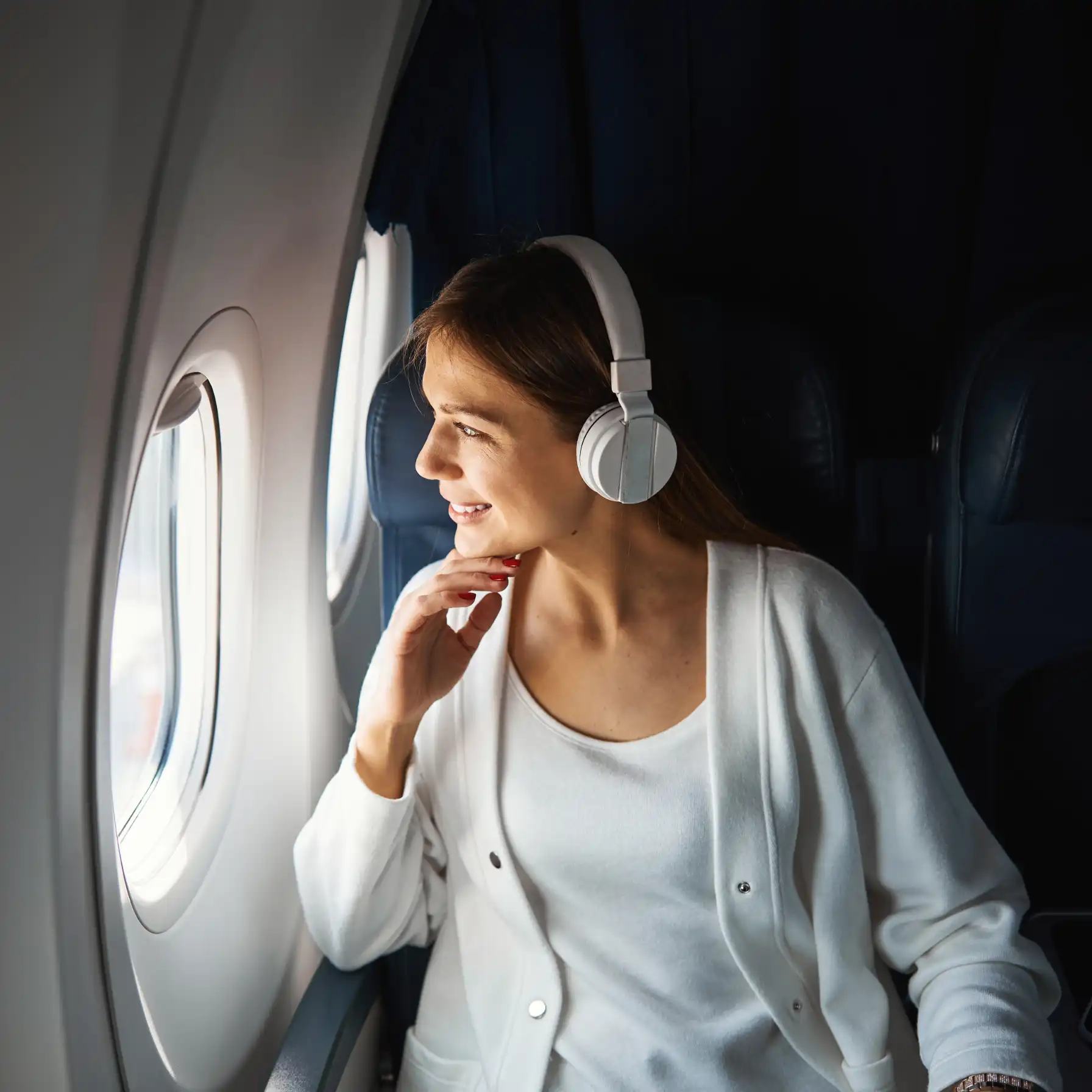
Noise-canceling headphones block engine noise and crying babies, improving sleep and making entertainment more enjoyable.
Tip: Pair with calming playlists or white noise apps for deeper relaxation.
6. Organize Carry-On Essentials
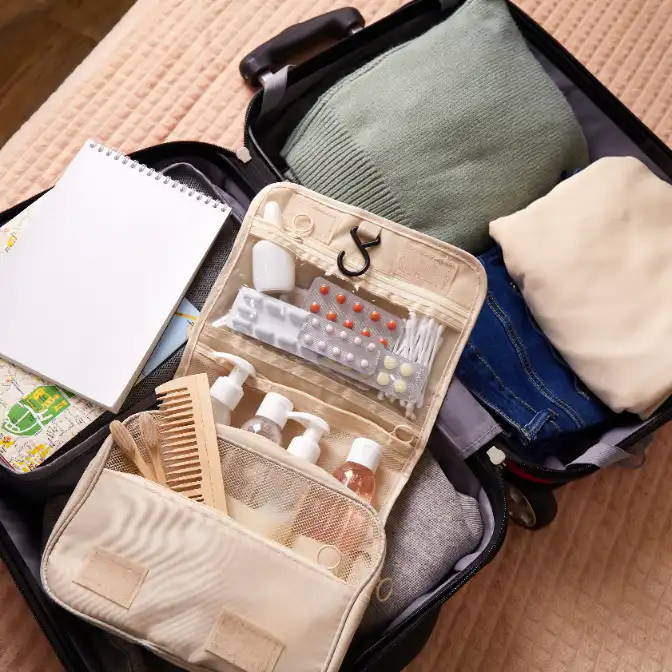
Use packing cubes or small pouches for electronics, chargers, and travel documents. This keeps everything within easy reach and avoids mid-flight digging.
Tip: Keep a “flight essentials” pouch for quick access to your passport, wallet, and devices.

7. Move Regularly
Stand up and stretch or walk the aisle every 2–3 hours to prevent stiffness, improve circulation, and reduce the risk of deep vein thrombosis (DVT).
Tip: Set a timer or reminder to stretch periodically. Simple ankle rolls and shoulder shrugs help circulation.

8. Bring Compression Socks
Compression socks improve blood flow and reduce swelling in your legs, especially on flights over 6 hours.
Tip: Choose socks with moderate compression for maximum comfort and reduced fatigue.

9. Choose a Digital Entertainment Plan
Load movies, TV shows, music, or e-books on your devices before flying. Not all flights offer quality in-flight entertainment.
Tip: Download offline content to avoid relying on in-flight Wi-Fi.

10. Pack a Travel-Sized Toiletry Kit
Include essentials like toothbrush, toothpaste, moisturizer, lip balm, and face wipes. Refreshing mid-flight helps you arrive feeling more awake.
Tip: Keep everything in a clear, zippered pouch for easy security checks.

11. Use a Sleep Mask and Earplugs
Block out light and noise to improve sleep quality. Choose a soft sleep mask and high-quality earplugs for maximum comfort.
Tip: Combine with a neck pillow for a more restful sleep.
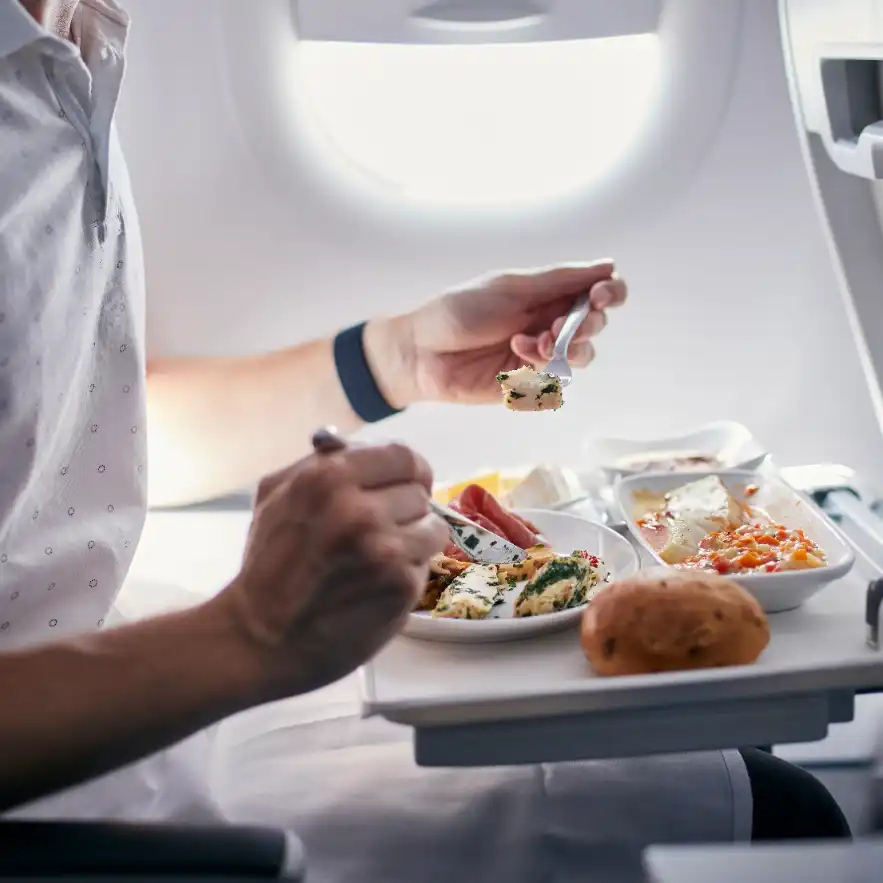
12. Plan Your Meals Strategically
Eat lightly before and during your flight. Heavy meals can cause bloating and discomfort. Check airline meal options in advance if needed.
Tip: Carry small healthy snacks like fruit or granola bars to avoid relying solely on airline food.

13. Bring an Empty Water Bottle
Most airports have refill stations. Bring an empty bottle to avoid buying overpriced drinks and stay hydrated throughout the journey.
Tip: Fill it after passing security and keep it nearby for easy access.
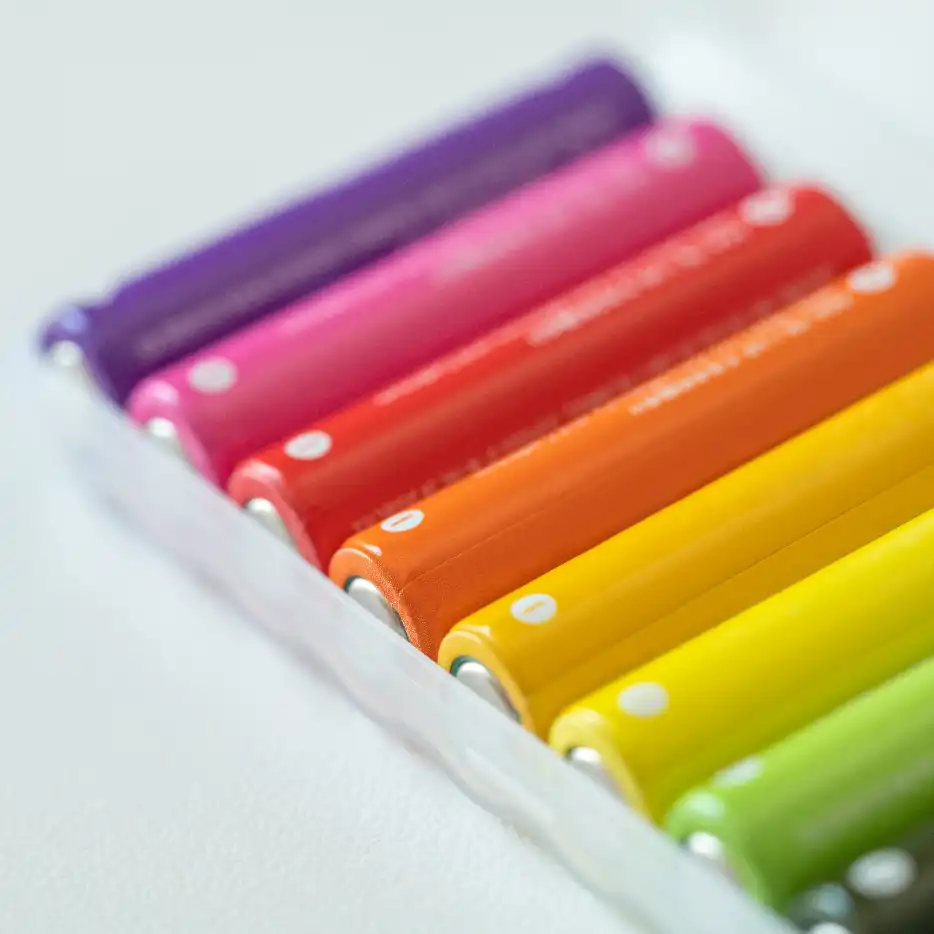
14. Mind Your Electronics Battery
Charge all devices before boarding and bring a power bank. Many long haul flights have limited power outlets, so staying prepared is essential.
Tip: Turn devices to airplane mode to save battery during the flight.

15. Consider Jet Lag Remedies
Adjust your sleep schedule a few days before departure. Natural light exposure and staying hydrated on the plane can reduce jet lag symptoms.
Tip: Take short naps strategically to align with your destination’s time zone.
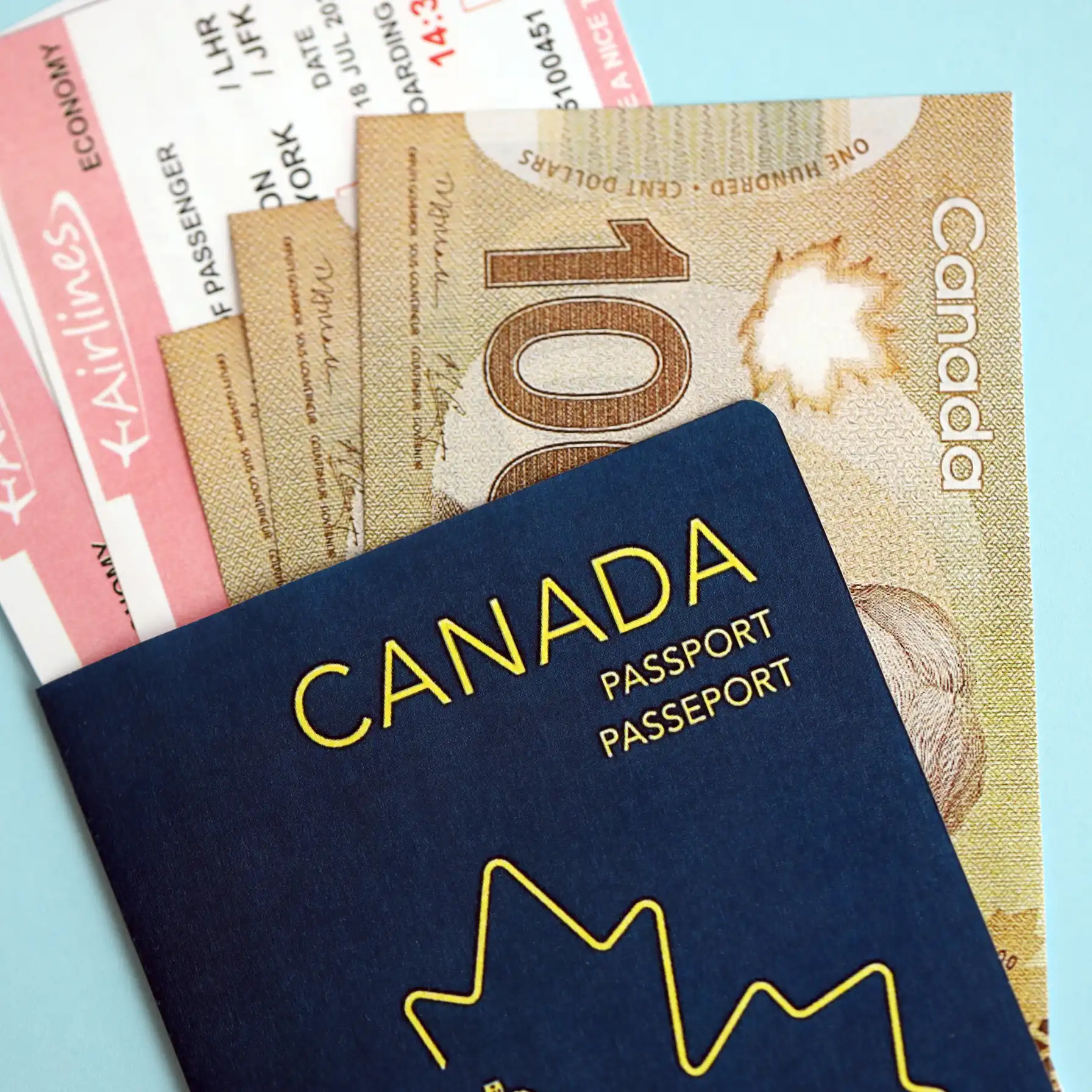
16. Keep Valuables Close
Always store passports, wallets, electronics, and important documents in a secure, easily accessible spot in your carry-on.
Tip: Use a small crossbody bag or travel wallet worn under clothing for extra security.
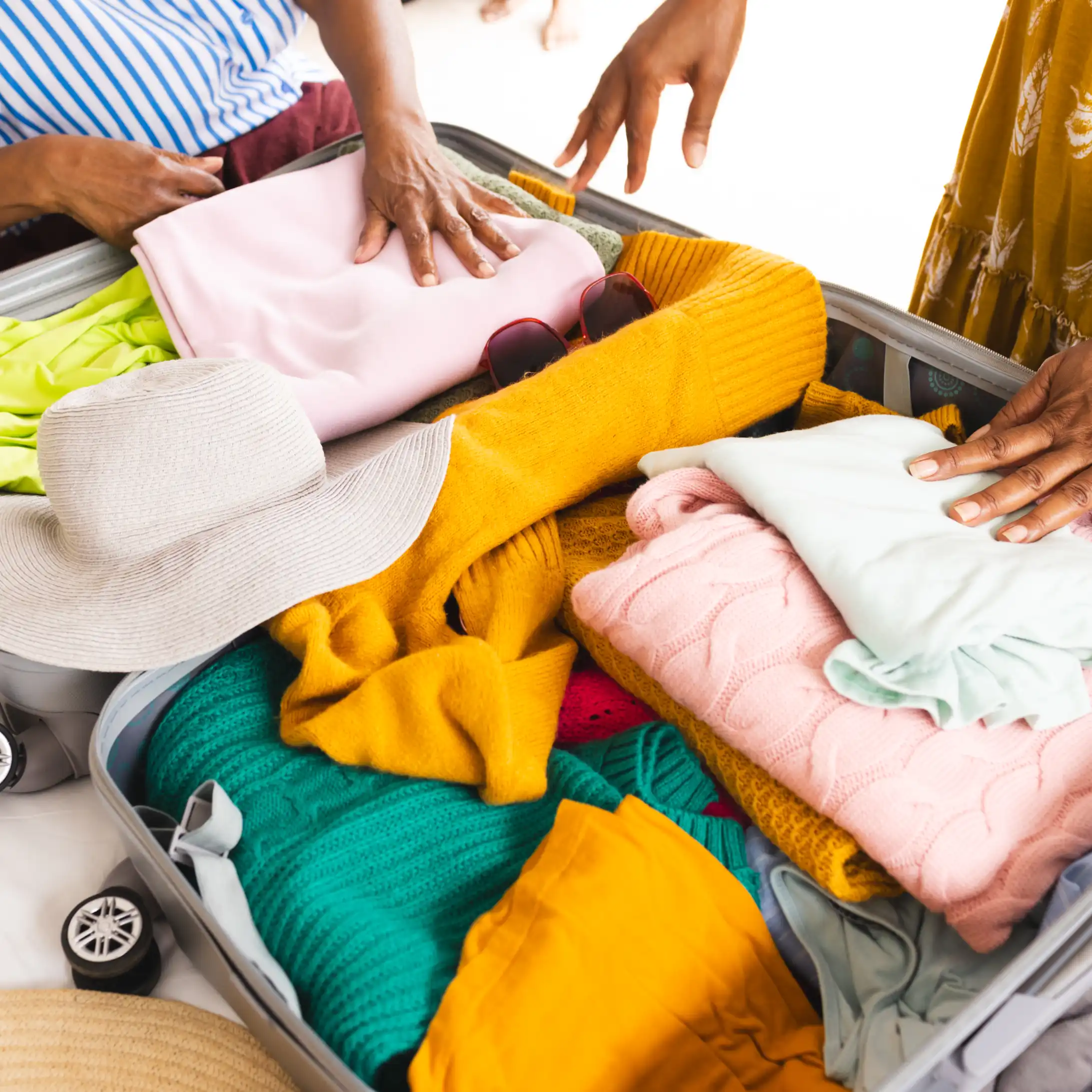
17. Pack a Change of Clothes
Fresh clothes help you feel comfortable upon arrival and are useful in case of spills or delays.
Tip: Include a fresh shirt and underwear in your carry-on for quick refreshment.

18. Bring a Travel-Sized Hand Sanitizer and Wipes
Airplane surfaces are frequently touched. Sanitize hands and wipe your tray table, armrests, and seatbelt for hygiene.
Tip: Keep sanitizers and wipes in your seat pouch for easy access during the flight.
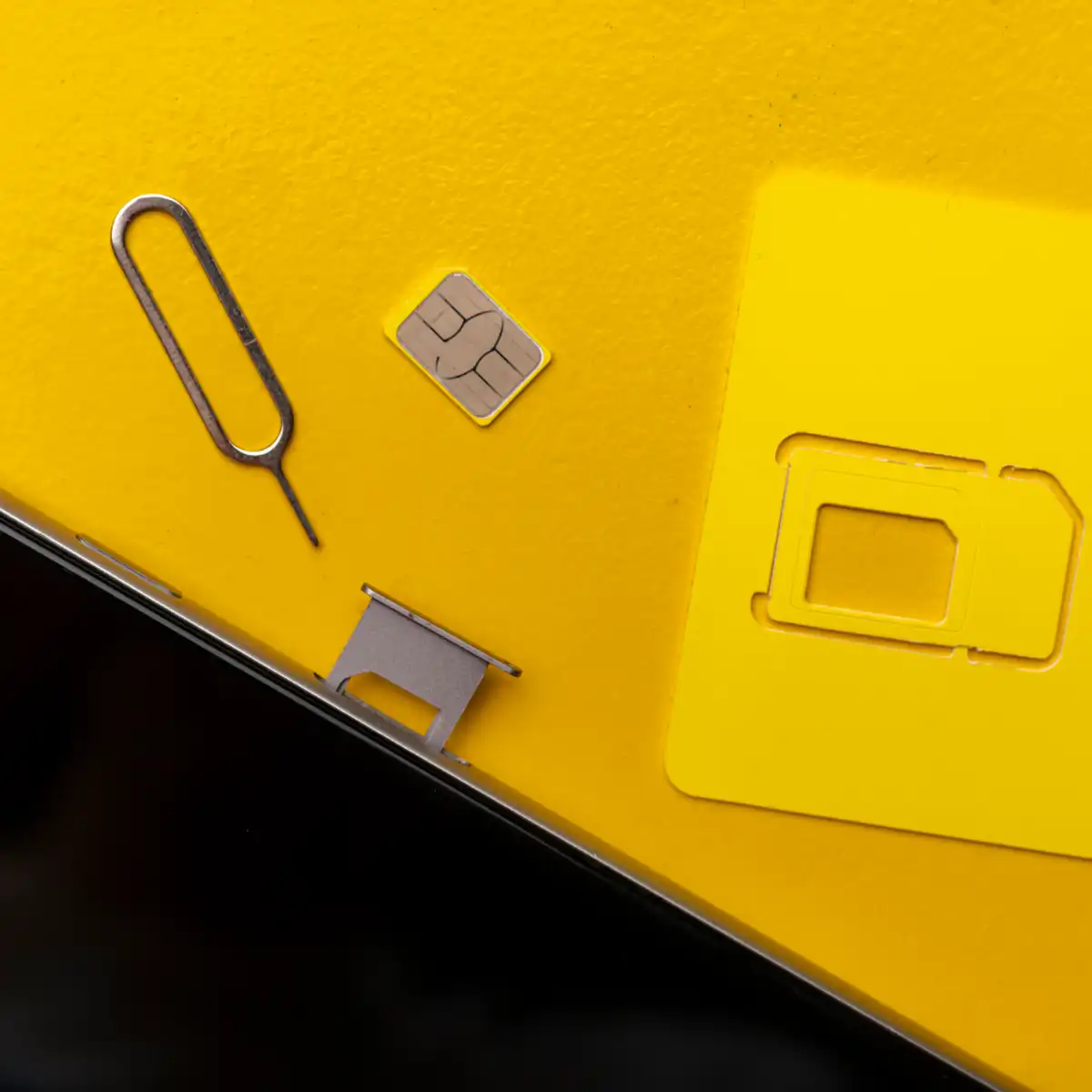
19. Prepare a SIM Card or eSIM for Travel
Having mobile data ready makes your trip smoother for maps, rides, and communication. A local SIM card or an eSIM can save you money and hassle.
Tip: Compare local SIM options or download an eSIM app before flying for quick setup on arrival.

20. Stay Positive and Relaxed
A calm mindset makes a huge difference. Bring meditation apps, podcasts, or calming music to reduce stress and enjoy your flight.
Tip: Practice deep breathing techniques or guided meditation to stay relaxed and energized.
Final Thoughts
Long haul flights don’t have to be uncomfortable or stressful. By using these 20 travel hacks—and following the extra tips—you can stay comfortable, entertained, and well-prepared throughout your journey. Plan ahead, pack wisely, and embrace the travel experience—it’s part of the adventure!