

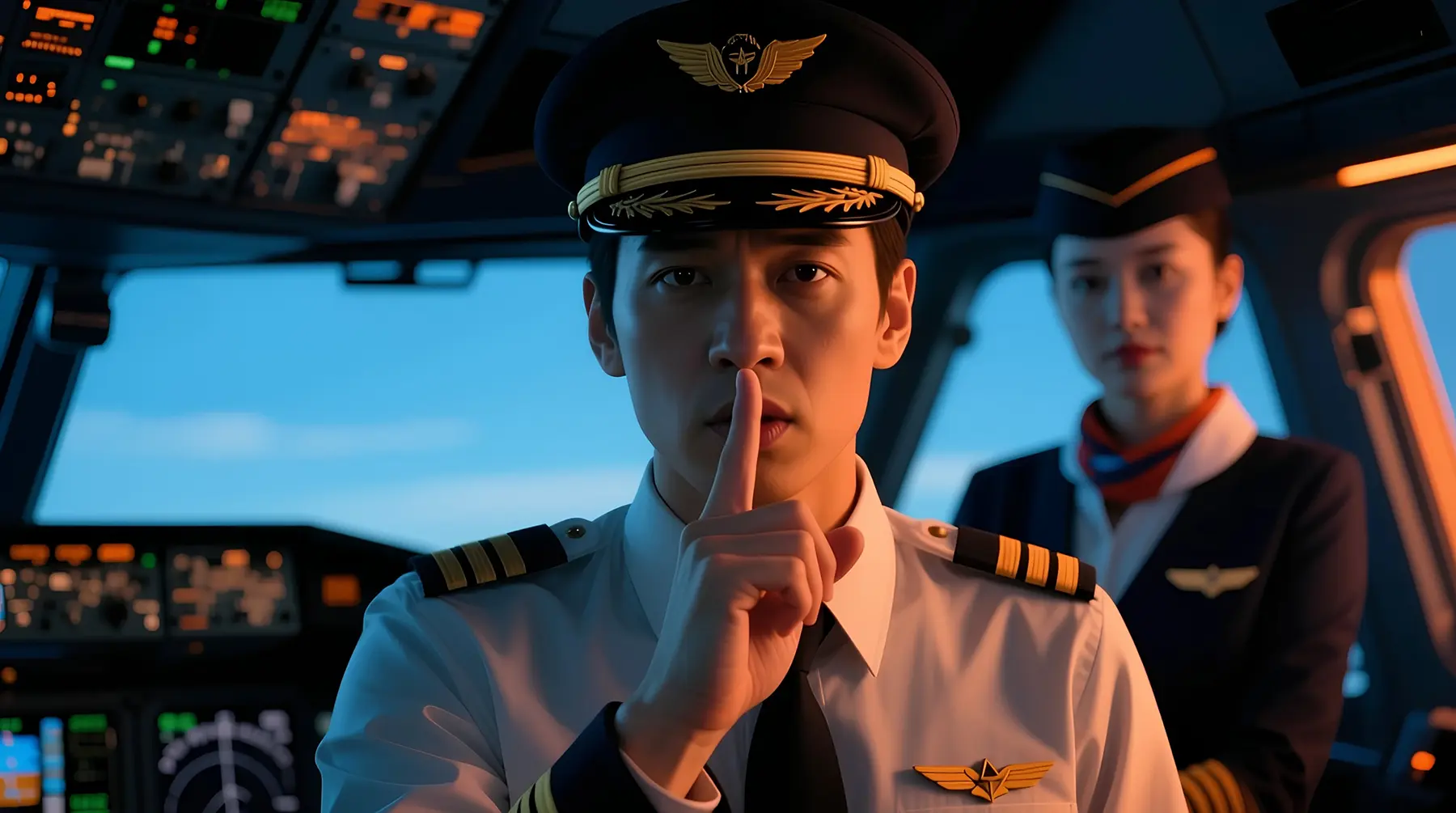
Secrets Airlines Don’t Want You to Know
👨🏻✈️ Secrets Airlines Don’t Want You to Know
Ever wondered what really happens behind the scenes before and during your flight? Airlines are experts at keeping passengers comfortable — and sometimes, uninformed. From hidden ticketing tricks to quiet policies that could work in your favor, there’s a lot more to air travel than what meets the eye.
In this post, we’ll uncover the real airline secrets — the ones that could help you save money, upgrade your experience, and fly smarter on your next trip.
1. The Cheapest Tickets Aren’t Always Found on Airline Websites

Airlines want passengers to think their official website always has the best deals. In reality, budget-friendly fares are often hidden elsewhere — like travel apps, third-party booking platforms, or flash sales. Many airlines release a limited number of low-cost seats to aggregator sites such as Google Flights, Skyscanner, or Kayak, which can save you a significant amount.
Sometimes, booking in a slightly different currency or country site (e.g., using the airline’s European version) can also reveal cheaper fares. Another trick is checking “hidden city” flights, where a layover city is your actual destination, though this can have risks with checked luggage.
✈️ Travel Tip: Search in incognito mode, compare at least three booking platforms, and check if booking in a different country or currency saves you money.
2. Overbooking Happens — But You Can Benefit
Overbooking is standard practice for airlines, assuming some passengers won’t show up. While this can be frustrating, it’s also an opportunity. Airlines may offer incentives for volunteers, including free flights, travel credits, meal vouchers, hotel stays, or lounge access.
Strategically, overbooked flights often appear around holidays or popular routes. Experienced travelers sometimes look for flights with high booking demand to increase the chance of getting extra perks if they volunteer.
✈️ Travel Tip: If your schedule is flexible, ask the gate agent early about overbooked flights — volunteering first increases your rewards.
3. Flight Delays Might Be Hidden in “Buffer Time”

Airlines pad flight schedules with extra buffer time to improve on-time performance metrics. For example, a 55-minute route might be listed as 1 hour 20 minutes. While this helps airlines maintain reliability statistics, it can mislead travelers planning short layovers or tight schedules.
Additionally, this buffer allows airlines to adjust for minor delays without affecting their official performance rating. Many seasoned travelers plan connections based on the real flying time, not the published schedule.
✈️ Travel Tip: Give yourself extra time for connections — at least one hour for domestic flights and two hours for international connections.
4. Cabin Air Isn’t as Fresh as You Think
Despite common belief, cabin air isn’t 100% fresh. Modern planes circulate 50% fresh outside air and 50% recycled air filtered through HEPA systems, which remove most bacteria and viruses. However, low humidity and recycled air can cause dehydration, dry skin, fatigue, or irritation during long flights.
Frequent flyers often experience jet lag not only because of time zones but also due to cabin dryness and reduced oxygen circulation.
✈️ Travel Tip: Drink plenty of water, bring moisturizer or nasal spray, and avoid excessive caffeine or alcohol on long flights.
5. You Can Bring Your Own Food
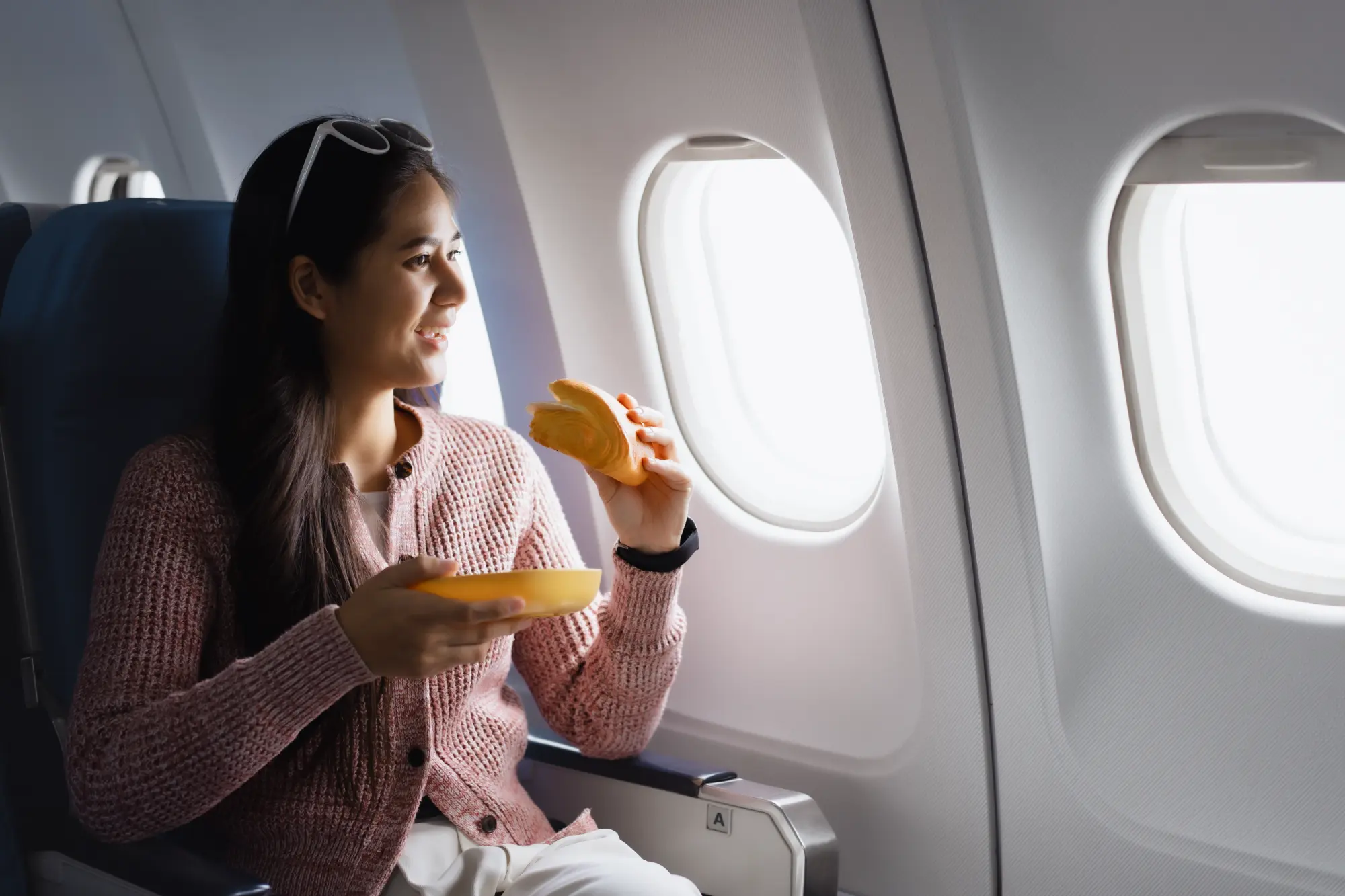
Airlines make substantial revenue from in-flight meals and snacks. Many passengers don’t realize that packing your own food is allowed, as long as it meets security rules.
Bring TSA-approved snacks or light meals like granola bars, sandwiches, nuts, or fruits. This is especially helpful for picky eaters, kids, or long-haul flights where airline meals may be limited or low quality.
✈️ Travel Tip: Avoid messy or strong-smelling foods and pack in a clear, resealable bag to breeze through security.
6. Seat Selection Fees Aren’t Always Necessary
Airlines charge extra for preferred seating, including aisle, window, or extra-legroom spots. But these fees aren’t always unavoidable. Early check-in or waiting until 24 hours before departure often opens better seats for free as flights are finalized.
Some airlines assign open seats automatically or allow free selection at online check-in. Watching your seat map can also help identify rows near exits or away from high-traffic areas.
✈️ Travel Tip: Monitor your seat map after check-in; sometimes a better seat opens up at the last moment.
7. Your Luggage Might Not Be on the Same Flight
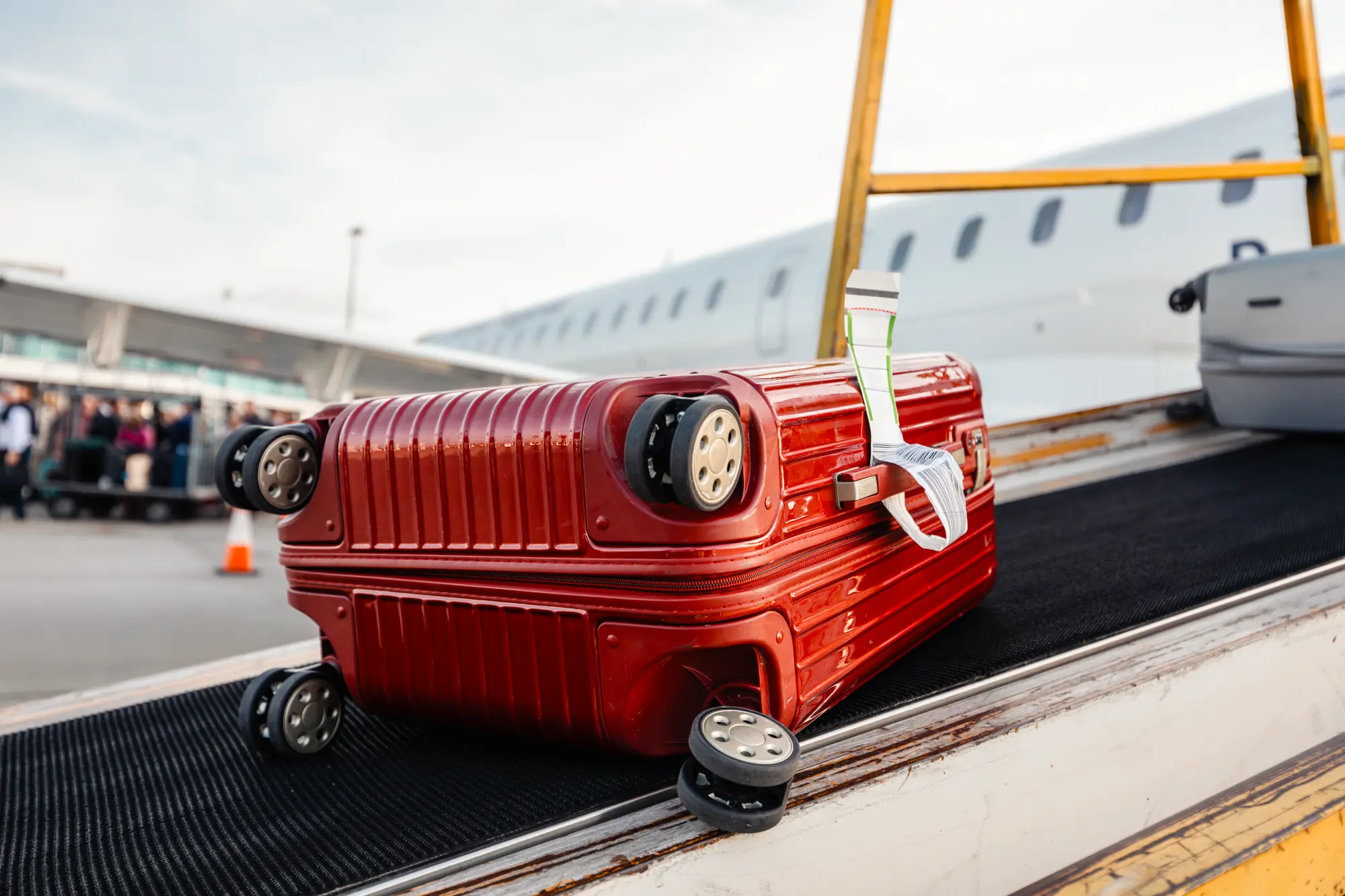
Airlines occasionally reroute luggage to optimize weight distribution or manage tight connections. Even if your boarding pass shows a checked bag, it may arrive on a later flight.
Keeping essentials in your carry-on, such as medications, chargers, and a change of clothes, ensures you’re covered in case of delays. Using GPS tracking devices like AirTags can also help locate lost or delayed luggage quickly.
✈️ Travel Tip: Always photograph your luggage before checking it and keep a small kit in your carry-on for peace of mind.
8. Upgrades Aren’t Always About Loyalty Points
Many passengers assume only frequent flyers can get upgrades. While loyalty status helps, courtesy and timing are often more important. Solo travelers, polite passengers, or those celebrating special occasions have higher chances of getting upgraded to premium economy or business class.
Flights that aren’t full in higher cabins often have empty seats reserved for operational balance, which can be offered to economy passengers at check-in.
✈️ Travel Tip: Dress neatly, smile, and politely ask if there are any available upgrades — even without loyalty points.
9. Flight Attendants Know More Than They Can Tell You
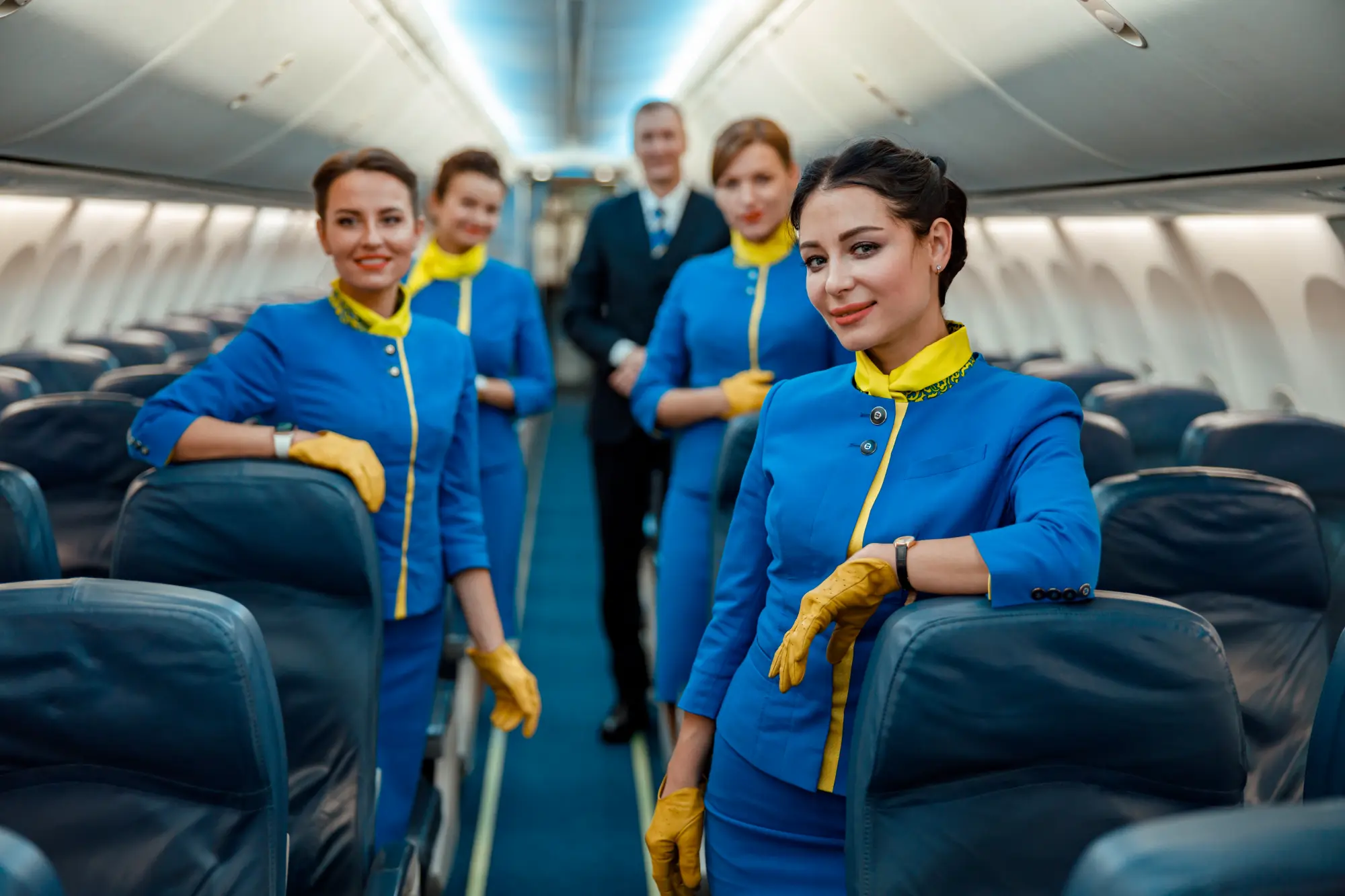
Flight attendants have inside knowledge about everything from turbulence intensity to operational delays. They follow strict protocols, so they can’t always share details, but they can help you navigate in-flight services more effectively.
Being friendly and respectful towards cabin crew often results in better service, advice, or minor perks like seat adjustments or extra amenities.
✈️ Travel Tip: A kind word and polite questions can make your flight experience smoother and even more comfortable.
10. “Direct Flight” Doesn’t Mean Nonstop
Many travelers misunderstand the term “direct flight.” In reality, a direct flight may include stopovers or plane changes, meaning you could still deplane and board another aircraft.
Always check the itinerary carefully, and look specifically for the term “nonstop” if you want continuous travel. Understanding this can save you unexpected long waits or missed connections.
✈️ Travel Tip: Double-check your flight details, especially for international routes, to avoid unnecessary layovers or confusion.
11. The Truth About Seat Class Upgrades and Downgrades

Airlines carefully manage seat classes — but here’s what they don’t tell you about moving up or down the cabin.
Free Upgrades Are Still Possible
They’re rare but not gone. Flights oversold in economy often result in free upgrades for single, polite travelers.
✈️ Travel Tip: Check in early and ask nicely if any complimentary upgrades are available.
Paid Upgrades Are Cheaper at Check-In
Airlines often offer discounted upgrades at check-in or boarding, sometimes up to 70% cheaper than booking premium seats in advance.
✈️ Travel Tip: Watch for upgrade offers on your airline’s app or check-in screen.
Downgrades Mean Compensation
If you’re downgraded because of aircraft changes or overbooking, you’re entitled to compensation.
✈️ Travel Tip: Request a refund of the fare difference or ask for travel credits or bonus miles.
Seat Maps Affect Who Gets Upgraded
Algorithms prioritize passengers with higher loyalty status, flexible fares, and early check-ins.
✈️ Travel Tip: Join your airline’s loyalty program, even at the basic level — it helps you rank higher for upgrades.
Delays Can Lead to Upgrades
During rebookings from delays or cancellations, gate agents sometimes move passengers to higher cabins for convenience.
✈️ Travel Tip: Stay calm and friendly; politeness often gets rewarded.
Hidden Upgrade Codes Exist
Certain fare classes (like Y-UP or AUP) secretly include automatic upgrades.
✈️ Travel Tip: Use sites like Google Flights or ExpertFlyer to identify these hidden upgrade fares.
Final Thoughts
The airline industry is full of unspoken truths and clever strategies designed to keep profits high and passengers loyal. But once you understand these secrets, you gain the power to make smarter, more cost-effective travel choices.
Next time you fly, remember — knowledge is your ticket to a better experience. Compare prices wisely, stay polite, and make the system work in your favor.
Safe travels, and may your next journey be smoother, cheaper, and more comfortable than ever.
